- You are here:
-
Home

- Knife Reviews

-
Welcome to Multitool.org
The place for reviews & discussion on Multi Tools, Swiss Army Knives, Outdoor Gear, EDC and more for over TEN years. -
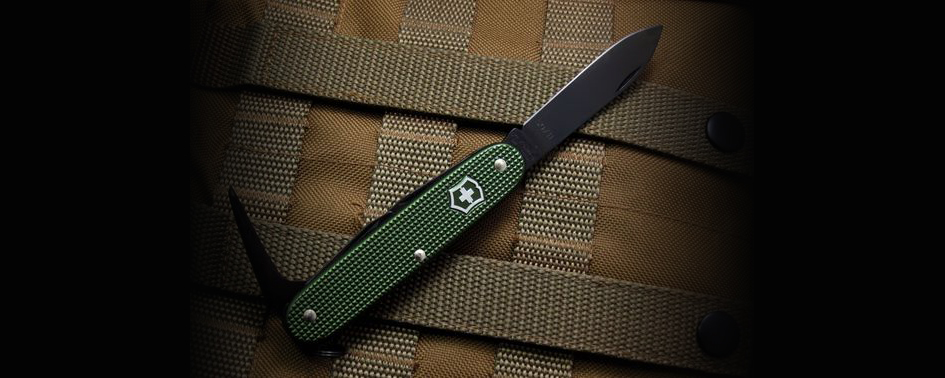
Are you into Swiss Army Knives?
Learn & discuss tools from both Swiss Army manufacturers: Victorinox & Wenger! Read More -
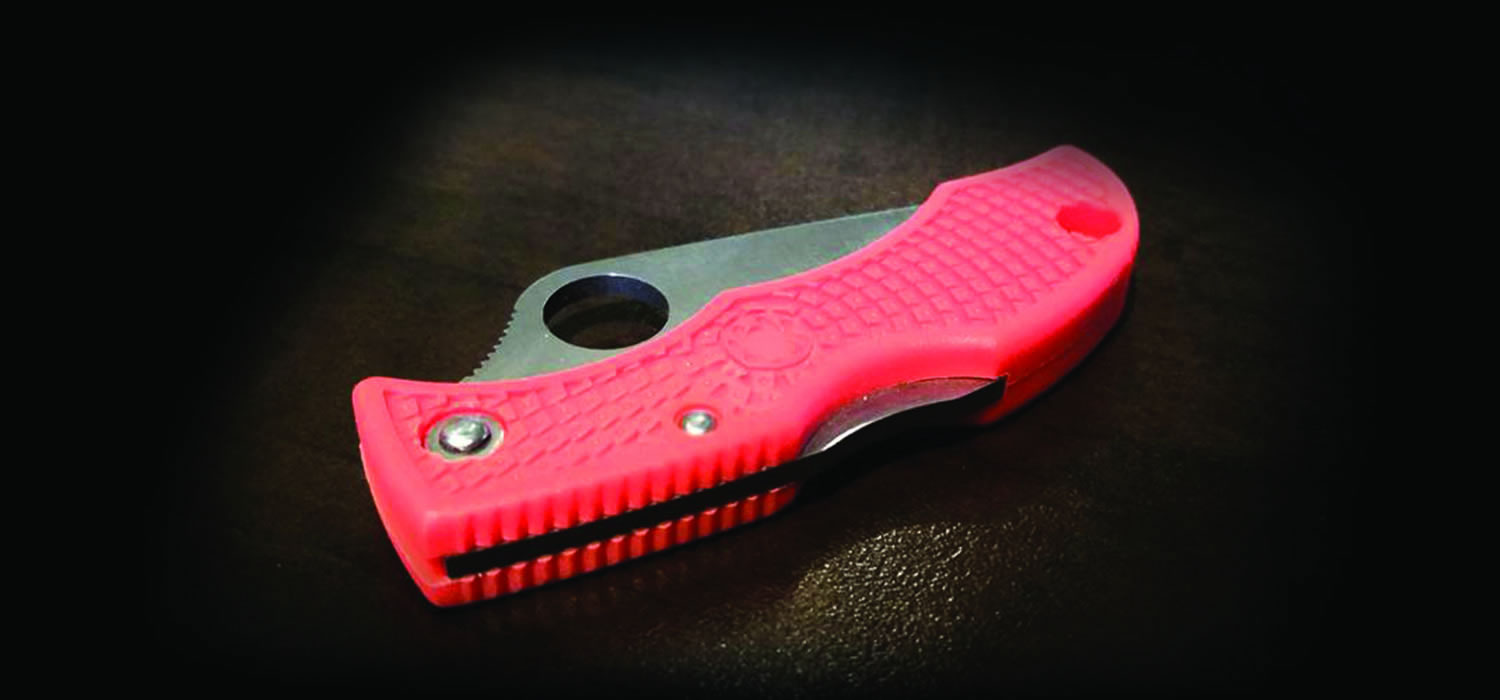
Good things can come in small packages.
What do you EDC? Read More
- 1
- 2
- 3
The Kosame, which translates to “light rain” in Japanese, is a knife designed with symbolism at its core. The maker describes it as a blend of elegance and power, reflecting how something as soft as rainfall can, over time, erode mountains. The handle’s curves and droplet cutouts are meant to represent the calm and beauty of rain, while the blade’s straight, sharp lines highlight the more destructive force of nature. It’s a neat concept and a good story, one I appreciate because it ties into the Japanese-inspired aesthetic. That said, I can’t help but see the design in another light—it reminds me more of science fiction, even bordering on the alien. The jimping and spine details echo the look of a xenomorph’s back, which makes me like it even more. Maybe that’s just the nerd in me talking, but either way it gives the Kosame a unique visual identity.

Ravens have always carried an air of mystery and intelligence. In mythology and folklore, they’re often seen as messengers or guardians, tied to wisdom, transformation, and adaptability. Outside of stories, they’re just as fascinating, known for their problem-solving skills, use of tools, and ability to thrive in nearly any environment. It’s easy to see why Kansept chose the name for this design. The Raven takes inspiration from the lines of a raven’s head and beak, blending sleek elegance with a sense of purpose. With that foundation in mind, let’s take a closer look at what Kansept has created with the Raven.

Leatherman has been polarizing with its customer base in recent years. Other than the FREE series, which includes the Arc, we have not seen much major development. Instead, the company has put energy into Leatherman Garage, its limited-release tools and gadgets that act as a testbed for potential future products. Some view this as an exciting way to experiment, while others see it as a cash grab. In addition, Leatherman has leaned heavily into releasing new colorways of existing models, which appears to be an effort to attract people who are not already in their customer base.
Many users are hungry for innovation, or at least that is the perception. The consumer base feels divided. On one side are the blue-collar customers who buy Leatherman tools, use them hard, and are satisfied. On the other are enthusiasts and collectors who want nothing but fresh, groundbreaking designs and feel the company is resting on its laurels. In their eyes, the lack of new releases leaves them with nothing to add to their collections. Leatherman, much like Benchmade, seems content to follow its own direction regardless of the noise, relying on internal data to make decisions that sometimes frustrate fans.

Published in
Knives
Tagged under
OKnife seems to be carving a name for itself by partnering with big names in the knife industry. Could it eventually stand alongside Kansept or Kizer in terms of design credibility? That’s a tall order, but with models like the AION—a new collaboration with renowned designer Ostap Hel—they’re certainly taking the right steps.
Hel is known for blending artistic geometry with practical knife design. His journey began in Poland, where a childhood surrounded by artists, a fascination with medieval weapons, and a stint in an armorer’s shop all shaped his creative vision. After a detour into law, where he even wrote his thesis on knives in Polish legislation, he returned to his passion full-time. His custom work and production designs alike reflect his signature blend of symmetry, smooth transitions, and functional beauty.

As someone who’s been deep into knives and EDC gear for a long time, I’ve seen plenty of trends come and go. New steels show up, lock mechanisms rise and fall in popularity, and every year it feels like a few dozen new brands try to carve out a space. Some of them fade fast. Others catch your attention and make you want to take a closer look. That’s what happened when I came across Tacray.
They weren’t a brand I knew much about, but what I did know was that they had a background in precision machining and titanium work. That alone was enough to raise an eyebrow. I’ve always been drawn to designs that feel intentional and different, and the Tiran immediately had that presence. Something about the way it looked—sharp lines, thin frame, reverse tanto profile—told me it wasn’t just another recycled design.
This was my first time handling a Tacray knife, and I didn’t know what to expect. But after spending time with the Tiran, I found myself coming back to it again and again. There’s a lot going on under the surface, so let’s break it down.

Interested in this or a different tool and still have more questions?
Why not join us over on the Multitool.org Forum where our community can help you find what you're looking for!
Join the discussion now!
Why not join us over on the Multitool.org Forum where our community can help you find what you're looking for!
Join the discussion now!
Active Edged Tool Related Discussions
Feed not found.
What kind of people would write collect and review multitools? Quite simple really- we are designers and do-ers, outdoors types and indoor types, mechanics, doctors, problem solvers and problem makers. As such, we have, as a world spanning community, put every type, size and version of multitool, multifunction knife, pocket knife and all related products to every test we could manage in as many places and environments as there are.